Locations

Marshall,TX | Longview, TX

Call Us

(903) 524-5456

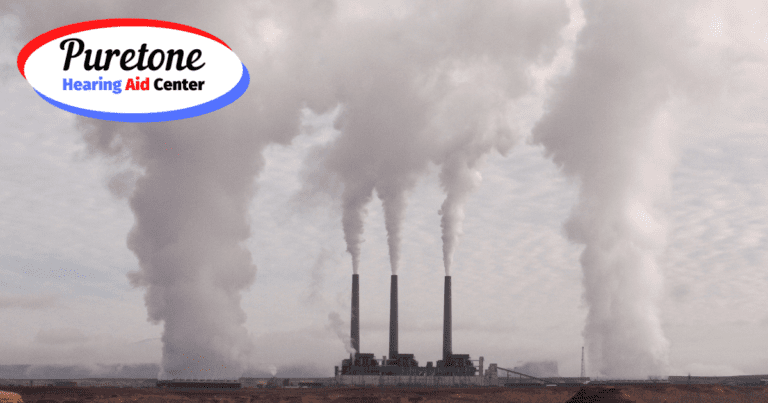
smokestacks against a bleak landscape
Picture of Rob Kirkland

Rob Kirkland

Need More Information

The Impact of Environmental Factors on Your Hearing: Exploring the Connection between Pollution and Auditory Health

Facebook
Twitter
LinkedIn

Your ability to hear is priceless. It connects you to the world around you, allowing you to engage in conversations, appreciate music, and enjoy the sounds of nature. But have you ever stopped to consider how your environment may be affecting your hearing? Environmental factors, such as pollution, can have a significant impact on your auditory health. In this blog post, we will delve into the link between pollution and hearing loss, as well as explore ways to protect your hearing in a polluted world.

Understanding Pollution and its Types

Before we dive into the relationship between pollution and auditory health, it’s important to understand what pollution is. Pollution comes in various forms, including air pollution, water pollution, and noise pollution. Air pollution refers to the presence of harmful gases and particles in the air, often caused by industrial activities, vehicle emissions, and burning fossil fuels. Water pollution, on the other hand, refers to the contamination of water bodies by toxic substances, waste materials, or pollutants. Lastly, noise pollution is the excessive or annoying noise that is present in the environment, such as traffic noise, construction noise, or loud music.

The Link Between Pollution and Auditory Health

Pollution can directly or indirectly impact hearing. Direct exposure to certain pollutants can damage the delicate structures of the auditory system, leading to hearing loss. Indirectly, pollution can contribute to general health issues that can have secondary effects on hearing. For example, exposure to air pollution has been linked to cardiovascular diseases, which can impact the blood vessels supplying the ear and compromise hearing health.

Air Pollution and Hearing Loss

Air pollution, particularly exposure to harmful gases and fine particles, has been found to contribute to hearing loss. Research has shown that prolonged exposure to air pollutants, such as nitrogen dioxide and particulate matter, can damage the sensory hair cells in the inner ear, leading to hearing impairment. Studies have also suggested a correlation between air pollution and an increased risk of developing tinnitus, a condition characterized by ringing or buzzing sounds in the ears.

Water Pollution and Hearing Health

While the research on the effects of water pollution specifically on auditory health is limited, certain pollutants found in water, such as heavy metals or chemicals, can have systemic effects that may indirectly impact hearing. For instance, exposure to heavy metals like lead or mercury can lead to neurological damage, which includes auditory function. Additionally, contaminated water can also lead to ear infections or inflammation, which can potentially result in hearing loss if left untreated.

Noise Pollution and its Impact on Hearing

Noise pollution is a prevalent issue, especially in urban environments. Prolonged exposure to loud noise, whether from traffic, construction, or recreational activities, can damage the sensory cells in the inner ear, leading to noise-induced hearing loss. The excessive noise can also contribute to tinnitus, as constant exposure to loud sounds can cause damage to the auditory nerves. It is essential to protect your ears from excessive noise by using earplugs, limiting exposure, and maintaining a safe listening volume when using headphones or attending concerts.

Steps to Protect Your Hearing from Environmental Factors

While it’s nearly impossible to completely eliminate pollution from your environment, there are steps you can take to protect your hearing from its detrimental effects:

1. Minimize exposure: Limit your exposure to air pollution by avoiding heavily congested areas or wearing masks when necessary. Use water filters to reduce the risk of consuming contaminated water, and try to choose quieter environments to reduce exposure to excessive noise pollution.

2. Practice good ear hygiene: Keep your ears clean and dry to prevent ear infections, which can affect your hearing.

3. Use hearing protection: When you anticipate exposure to loud noise, such as when operating machinery or attending concerts, wear earplugs or earmuffs to shield your ears from damage.

4. Seek regular hearing check-ups: Regular hearing evaluations can detect any changes in your hearing and allow for timely intervention if needed. A hearing care professional can provide guidance on protecting your hearing and offer solutions, such as hearing aids if hearing loss has already occurred.

If you have any concerns or experiences related to pollution and hearing health, we encourage you to share them with us. Puretone Hearing Aid Center is here to assist you in any way we can. Contact us today to schedule an appointment or learn more about protecting your hearing in a polluted world. Your hearing is worth preserving, and we are committed to helping you achieve optimal auditory health.

Related Articles

A collage of hearing aid maintenance activities showing a person wearing a hearing aid, cleaning a hearing device with a soft cloth, storing hearing aids in a protective case, replacing batteries, using cleaning tools, attending a hearing care appointment, and properly caring for hearing aid accessories.
Knowledge Base
Rob Kirkland

Easy Tips for Keeping Your Hearing Aids Performing Well

Your hearing aids play an important role in helping you stay connected to the people and sounds you love. Like any advanced technology, they require regular care to perform at their best. Proper maintenance not only helps extend the life of your devices but also ensures you continue to enjoy clear, reliable sound every day. Without routine care, hearing aids can accumulate earwax, dust, and moisture that may affect sound quality and overall performance. Fortunately, a few simple habits can help keep your devices functioning properly and reduce the risk of unexpected repairs. Establish a Daily Cleaning Routine One of the easiest ways to protect your hearing aids is by cleaning them every day. Throughout the day, hearing aids collect earwax, skin oils, and environmental debris that can block microphones and receivers. Taking a few moments each evening to clean your devices can prevent these buildups from interfering with performance. Cleaning Tips Consistent cleaning helps maintain sound clarity and keeps your devices operating efficiently. Store Your Hearing Aids Properly When you’re not wearing your hearing aids, proper storage is essential. Heat, humidity, and moisture can damage the delicate electronic components inside hearing aids. Storing them correctly helps prevent unnecessary wear and extends their lifespan. Best Storage Practices Protecting your hearing aids from moisture is one of the most effective ways to maintain long-term performance. Schedule Regular Professional Check-Ups Even with excellent at-home care, professional maintenance remains important. Routine visits allow your hearing care provider to thoroughly inspect your hearing aids, perform deep cleanings, update programming, and identify potential issues before they become costly repairs. Benefits of Professional Maintenance Regular check-ups help ensure your hearing aids continue delivering the best possible listening experience. Monitor Batteries and Replace Parts When Needed Battery performance plays a significant role in hearing aid reliability. If your hearing aids use disposable batteries, always keep extras available. For rechargeable models, establish a consistent charging routine to ensure they’re ready each morning. Signs Components May Need Attention If you notice any of these signs, contact your hearing care provider for an evaluation. Protect Your Investment Hearing aids are an investment in your hearing health and quality of life. Taking a few simple steps each day can help protect that investment while ensuring you continue to hear clearly and confidently. By maintaining a daily cleaning routine, storing your devices properly, monitoring battery performance, and scheduling regular professional care, you can keep your hearing aids working at their best for years to come. Partner With Puretone Hearing Aid Center At Puretone Hearing Aid Center, we’re committed to helping you get the most from your hearing aids. Whether you need professional cleaning, maintenance, adjustments, or expert advice, our team is here to help. Schedule an appointment today to ensure your hearing aids continue performing at their peak and supporting the active lifestyle you deserve.

Read More »
blue cubes representing advances tech
Knowledge Base
Dusty Potter

Discover the Future: Modern Hearing Aid Innovations

Technology continues to reshape the way we live, and hearing care is no exception. Today’s hearing aids are more advanced than ever, offering far more than simple sound amplification. Modern devices are designed to improve sound clarity, enhance comfort, and seamlessly connect users to the world around them. Understanding the latest hearing aid innovations can help you make informed decisions about your hearing health and improve your overall quality of life. Understanding Modern Hearing Aids Modern hearing aids have evolved dramatically thanks to advancements in digital technology and wireless connectivity. Unlike older devices, today’s hearing aids are designed to automatically adapt to changing sound environments, providing a more natural and comfortable listening experience. Some of the most exciting innovations include: These features help users stay connected, confident, and engaged in everyday life. Benefits of Advanced Hearing Technologies Modern hearing aid technology offers significant improvements in both hearing performance and lifestyle convenience. Better Conversations in Noisy Environments Features like directional microphones and noise reduction technology make it easier to focus on conversations in busy places such as restaurants, family gatherings, or social events. Enhanced Comfort and Ease of Use Today’s hearing aids are smaller, more comfortable, and easier to operate than ever before. Many models automatically adjust settings, reducing the need for constant manual changes. Improved Connectivity Wireless streaming capabilities allow users to take phone calls, listen to music, or watch television directly through their hearing aids for clearer, more personalized sound. Greater Confidence and Independence Improved hearing can help reduce feelings of isolation and encourage more active participation in social activities, leading to better emotional well-being and quality of life. Choosing the Right Hearing Aid for Your Lifestyle Selecting the right hearing aid depends on several factors, including your hearing needs, lifestyle, and comfort with technology. Ask yourself: Working with a hearing care professional ensures you receive a personalized recommendation tailored to your unique needs. At Puretone Hearing Aid Center, our team provides expert guidance to help you find the ideal hearing solution for your lifestyle and hearing goals. Embrace the Future of Better Hearing Modern hearing aid innovations are transforming the way people experience sound and interact with the world around them. With clearer hearing, advanced connectivity, and personalized technology, today’s devices can significantly improve your daily life. At Puretone Hearing Aid Center, we are committed to helping you explore the latest advancements in hearing technology and discover solutions that work best for you. Schedule Your Complimentary Hearing Assessment Today Ready to experience the future of hearing care? Contact Puretone Hearing Aid Center today to schedule your complimentary hearing assessment and learn more about the latest hearing aid technology. Take the first step toward clearer communication, greater confidence, and a more connected lifestyle.

Read More »