Locations

Marshall,TX | Longview, TX

Call Us

(903) 524-5456

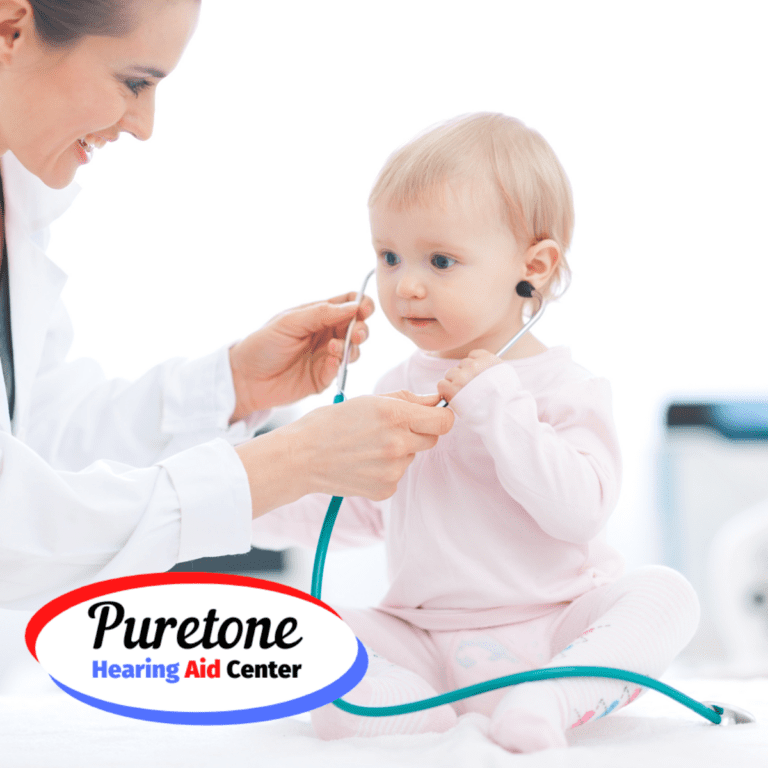
a baby with a stethoscope
Picture of Rob Kirkland

Rob Kirkland

Need More Information

The Importance of Pediatric Audiology for the Development of Young Children

Facebook
Twitter
LinkedIn

As parents and caregivers, we always want the best for our children. We strive to ensure their well-being and provide them with every opportunity for a happy and healthy future. One aspect of a child’s development that is often overlooked, yet crucial, is their hearing. Pediatric audiology plays a vital role in addressing and managing hearing issues in young children, with early intervention being key to their overall development.

During the early years of a child’s life, they are in a critical period for language and speech development. This is when their brains are highly receptive to learning and acquiring new skills. Any hearing loss or impairment during this period can significantly impact their ability to develop language skills, resulting in delays and difficulties in communication. This is where pediatric audiology comes in.

Pediatric audiology focuses specifically on assessing and managing hearing issues in children from infancy through adolescence. It plays an essential role in early identification of hearing loss, which is crucial for providing timely intervention and support. If hearing loss goes undetected or untreated, it can lead to significant delays in speech and language development, as well as social and academic challenges.

One of the primary responsibilities of pediatric audiologists is to conduct comprehensive hearing assessments for children. These assessments involve various types of hearing tests that are specifically designed for children, taking into account their age and developmental stage. These tests evaluate the child’s ability to perceive and process sounds, helping to pinpoint any hearing loss or impairment.

Thorough evaluations are essential in pediatric audiology to ensure an accurate diagnosis. Identifying the specific type and degree of hearing loss allows for personalized treatment plans tailored to each child’s unique needs. Furthermore, comprehensive assessments also help in assessing the impact of hearing loss on a child’s overall development, including their social skills, academic performance, and emotional well-being.

Treatment options for pediatric hearing loss may include hearing aids, cochlear implants, and communication strategies. Hearing aids are small electronic devices that amplify sound, making it easier for children with hearing loss to hear and understand speech. They are highly effective in improving communication abilities and enhancing overall quality of life. Cochlear implants, on the other hand, may be recommended for children with severe to profound hearing loss who do not benefit from hearing aids alone. These devices bypass the damaged parts of the ear and directly stimulate the auditory nerve, providing a sense of sound.

In addition to technological interventions, pediatric audiologists also focus on communication strategies and therapies to support children with hearing loss. These strategies may involve teaching children and their families special techniques for effective communication, such as lip-reading or using visual cues. Speech therapy and auditory training are also beneficial in helping children develop their speech and language skills to reach their full potential.

Collaboration with parents and caregivers is of utmost importance in pediatric audiology. Involving parents in the audiology process helps them understand their child’s hearing needs and actively participate in their care. Pediatric audiologists provide support and guidance to parents of children with hearing loss, helping them navigate through the challenges and providing resources for further assistance. It is crucial for parents to be educated on hearing conservation and prevention, as well as on the available resources and support systems in their community.

Pediatric audiologists also play a significant role in education, collaborating with schools and educators to support children with hearing loss. They advocate for inclusive education and accommodations to ensure that these children have equal opportunities to learn and succeed. Ongoing support and monitoring from pediatric audiologists are vital to ensure that the child’s hearing needs are continually met as they progress through their educational journey.

In conclusion, pediatric audiology is essential for the development of young children with hearing loss. Early identification and intervention can significantly impact a child’s speech, language, and overall academic and social development. Through comprehensive assessments, personalized treatment options, collaboration with parents, and support in education, pediatric audiologists play a critical role in helping children with hearing loss reach their full potential. If you have any concerns about your child’s hearing, we encourage you to seek professional help. Don’t hesitate to reach out to Puretone Hearing Aid Center for further assistance and support. Your child’s future is worth every effort.

Related Articles

A collage illustrating common hearing loss myths and facts, featuring people of different ages receiving hearing evaluations, wearing modern hearing aids, consulting with hearing care professionals, communicating with loved ones, protecting their hearing in noisy environments, and enjoying active, connected lifestyles through better hearing care.
Knowledge Base
Dusty Potter

Busting Common Hearing Loss Myths: What Every Adult Should Know

Hearing loss is one of the most common health conditions affecting adults, yet many people delay seeking treatment because of outdated myths or misinformation. Understanding the facts about hearing loss can help you make informed decisions and protect your long-term hearing health. At Puretone Hearing Aid Center, we’re committed to helping our patients separate fact from fiction. Here are some of the most common myths about hearing loss—and the truth behind them. Myth #1: Hearing Loss Only Affects Older Adults While hearing loss becomes more common with age, it isn’t limited to seniors. People of all ages can experience hearing loss due to genetics, loud noise exposure, certain medications, illness, injury, or other medical conditions. Millions of younger adults and even children live with hearing difficulties. If you’ve noticed changes in your hearing, don’t assume you’re “too young” for hearing loss. A professional hearing evaluation can determine what’s causing your symptoms and whether treatment is recommended. Myth #2: Hearing Aids Are Large and Noticeable Many people still picture hearing aids as bulky devices that are easy to spot. Fortunately, hearing aid technology has advanced dramatically. Today’s hearing aids are: Most people are surprised by how subtle modern hearing aids look—and how much they improve everyday communication. Myth #3: Nothing Can Be Done About Hearing Loss Although many forms of hearing loss cannot be reversed, that doesn’t mean they can’t be treated. Modern hearing solutions can significantly improve your ability to hear conversations, enjoy social activities, and stay connected with the people around you. Depending on your needs, treatment may include hearing aids, assistive listening devices, hearing protection, or communication strategies tailored to your lifestyle. The sooner hearing loss is addressed, the better the potential outcome. Myth #4: My Primary Care Doctor Will Tell Me If I Have Hearing Loss Routine physical exams are important, but they typically don’t include comprehensive hearing evaluations. Because hearing loss often develops gradually, it can go unnoticed for years without specialized testing. Many people adapt to subtle changes in their hearing without realizing what they’re missing. Scheduling regular hearing evaluations with a hearing care professional is the most effective way to detect hearing loss early and monitor changes over time. Myth #5: Hearing Loss Is Just Part of Getting Older While age-related hearing loss is common, that doesn’t mean it should simply be ignored. Untreated hearing loss has been associated with: Seeking treatment can help you remain active, independent, and engaged in the activities you enjoy most. Why Early Treatment Matters The earlier hearing loss is identified, the sooner you can begin taking steps to improve your hearing and communication. Early intervention often leads to: Many patients are surprised by how much easier everyday life becomes after addressing their hearing concerns. Take Charge of Your Hearing Health Don’t let common myths keep you from enjoying the sounds that matter most. Whether you’ve recently noticed changes in your hearing or simply want to establish a baseline, a comprehensive hearing evaluation is an important investment in your overall health and well-being. At Puretone Hearing Aid Center, our experienced team provides personalized hearing evaluations, advanced hearing technology, and ongoing support to help you hear your very best. Schedule Your Hearing Evaluation Today If you have questions about your hearing or would like to learn more about today’s treatment options, we’re here to help. Contact Puretone Hearing Aid Center to schedule a comprehensive hearing evaluation and discover personalized solutions designed to fit your hearing needs and lifestyle. Better hearing starts with the right information—and the right care.

Read More »
A collage of hearing aid maintenance activities showing a person wearing a hearing aid, cleaning a hearing device with a soft cloth, storing hearing aids in a protective case, replacing batteries, using cleaning tools, attending a hearing care appointment, and properly caring for hearing aid accessories.
Knowledge Base
Rob Kirkland

Easy Tips for Keeping Your Hearing Aids Performing Well

Your hearing aids play an important role in helping you stay connected to the people and sounds you love. Like any advanced technology, they require regular care to perform at their best. Proper maintenance not only helps extend the life of your devices but also ensures you continue to enjoy clear, reliable sound every day. Without routine care, hearing aids can accumulate earwax, dust, and moisture that may affect sound quality and overall performance. Fortunately, a few simple habits can help keep your devices functioning properly and reduce the risk of unexpected repairs. Establish a Daily Cleaning Routine One of the easiest ways to protect your hearing aids is by cleaning them every day. Throughout the day, hearing aids collect earwax, skin oils, and environmental debris that can block microphones and receivers. Taking a few moments each evening to clean your devices can prevent these buildups from interfering with performance. Cleaning Tips Consistent cleaning helps maintain sound clarity and keeps your devices operating efficiently. Store Your Hearing Aids Properly When you’re not wearing your hearing aids, proper storage is essential. Heat, humidity, and moisture can damage the delicate electronic components inside hearing aids. Storing them correctly helps prevent unnecessary wear and extends their lifespan. Best Storage Practices Protecting your hearing aids from moisture is one of the most effective ways to maintain long-term performance. Schedule Regular Professional Check-Ups Even with excellent at-home care, professional maintenance remains important. Routine visits allow your hearing care provider to thoroughly inspect your hearing aids, perform deep cleanings, update programming, and identify potential issues before they become costly repairs. Benefits of Professional Maintenance Regular check-ups help ensure your hearing aids continue delivering the best possible listening experience. Monitor Batteries and Replace Parts When Needed Battery performance plays a significant role in hearing aid reliability. If your hearing aids use disposable batteries, always keep extras available. For rechargeable models, establish a consistent charging routine to ensure they’re ready each morning. Signs Components May Need Attention If you notice any of these signs, contact your hearing care provider for an evaluation. Protect Your Investment Hearing aids are an investment in your hearing health and quality of life. Taking a few simple steps each day can help protect that investment while ensuring you continue to hear clearly and confidently. By maintaining a daily cleaning routine, storing your devices properly, monitoring battery performance, and scheduling regular professional care, you can keep your hearing aids working at their best for years to come. Partner With Puretone Hearing Aid Center At Puretone Hearing Aid Center, we’re committed to helping you get the most from your hearing aids. Whether you need professional cleaning, maintenance, adjustments, or expert advice, our team is here to help. Schedule an appointment today to ensure your hearing aids continue performing at their peak and supporting the active lifestyle you deserve.

Read More »